
The Allure of Risk and Reward
The thrill of risk and the allure of reward are fundamental aspects of human behavior, and they manifest powerfully in the world of gambling. Casinos exploit this inherent attraction by creating environments filled with the potential for large financial gains, such as those offered through casino fast withdrawal options, appealing to the psychological tendencies that drive us toward uncertain outcomes. This fascination with risk is deeply embedded in our brains, as the anticipation of winning can trigger a rush of excitement, often overshadowing the potential for loss that accompanies gambling activities.
This psychological allure is compounded by cognitive biases such as the illusion of control, which leads gamblers to erroneously believe they can influence outcomes through skill or strategy. For example, players might feel confident in their ability to predict the cards in a game of poker or the next number in roulette. Such beliefs can encourage increased engagement and risk-taking, as individuals chase the high of winning while dismissing the underlying odds that favor the house. Over time, these distorted perceptions can lead to compulsive gambling behaviors, as the excitement overtakes rational judgment.
Moreover, the design of casino games often reinforces this cycle of gambling. Players experience a heightened sense of euphoria with each win, however small, which can create a feedback loop of behavior. The immediate gratification associated with winning, even if it’s a modest payout, can prompt players to continue gambling in hopes of replicating that success. Understanding these psychological dynamics is crucial for recognizing why many individuals find themselves drawn back to the casino floor, despite potential financial and emotional consequences.
The Role of Environment in Gambling Behavior
The environment of a casino is meticulously crafted to influence gambling behavior and enhance the overall experience. Elements such as lighting, sound, and interior design interact to create an immersive atmosphere that captivates visitors and encourages prolonged play. For instance, the absence of clocks and windows creates a sense of timelessness, leading gamblers to lose track of time and often gamble longer than they initially intended. This deliberate manipulation of the physical space plays a significant role in shaping players’ perceptions and behaviors.
Sound also plays a critical role in this environment; the clinking of coins, the cheers of winners, and the enticing music contribute to a euphoric ambiance. These auditory stimuli can elicit emotional responses that heighten the excitement of gambling, reinforcing the association between these sounds and the thrill of winning. When players hear the sounds of a jackpot, it triggers a psychological response that not only enhances their enjoyment but also encourages them to engage in more gambling activities.
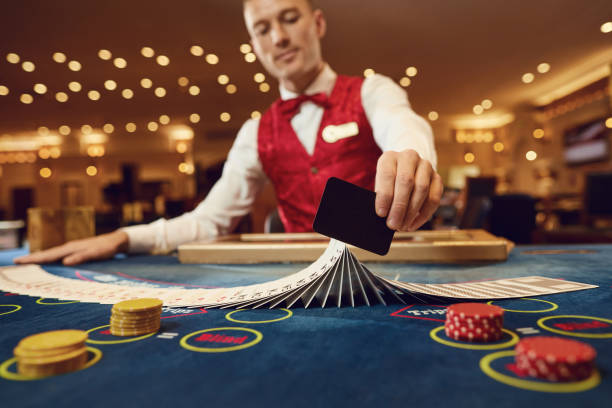
Additionally, the strategic use of free drinks and lavish decor serves to keep players engaged and comfortable, ensuring they spend more time gambling. By creating an engaging and stimulating environment, casinos effectively blur the line between entertainment and addiction. This underscores the importance of understanding how environmental factors shape gambling behavior and influence the psychological responses of individuals, ultimately driving them toward more frequent and potentially harmful gambling activities.
The Emotional Triggers of Gambling
The emotional landscape surrounding gambling is complex and influences players in profound ways. Many individuals turn to gambling as an escape from the pressures of daily life, finding solace in the thrill and distraction it provides. The raw excitement and anticipation of winning can create a euphoric feeling that temporarily alleviates stress and anxiety. This emotional high often acts as a powerful motivator, leading players to return to gambling in search of that same exhilarating experience.
Furthermore, emotions such as hope and desperation can significantly impact gambling behaviors. For those facing financial hardships, the allure of a big win can ignite a flicker of hope, prompting individuals to gamble in the hopes of changing their circumstances. This emotional drive can create a dangerous cycle, where players continue to bet larger amounts in the hope of recovering losses, often resulting in greater financial and emotional distress. The psychological interplay between hope and despair is crucial in understanding why some individuals find it challenging to stop gambling.
The social aspect of gambling is another important emotional trigger that can enhance the experience. Many people enjoy the camaraderie and interaction that comes with gambling, whether through friendly competition or socializing with others at the tables. This sense of community can create stronger attachments to the gambling experience, making it harder for individuals to recognize unhealthy behaviors. By understanding these emotional triggers, we can better address the challenges of gambling addiction and promote responsible gaming practices within the community.
The Psychology of Winning and Losing
The psychological impact of winning in gambling cannot be understated. Winning activates the brain’s reward pathways, releasing dopamine, which creates feelings of pleasure and reinforces the desire to gamble. This physiological response explains why even small wins can lead to addictive behaviors, as players chase the high that comes with victory. The desire to experience this rush repeatedly can drive players to engage in gambling more frequently, despite the risks involved.

Conversely, the emotional fallout from losing can be equally complex and challenging to navigate. While some players may walk away after a loss, others may fall into a cycle of chasing losses, believing they can recover their money through subsequent bets. This behavior often leads to larger wagers and increased gambling frequency, as the emotional turmoil of losing drives individuals to gamble more. The struggle between rational thought and emotional impulse complicates a gambler’s ability to make sound decisions about their gaming activities.
The concept of “loss aversion” is particularly relevant in this context, as individuals typically feel losses more acutely than they do gains. This heightened sensitivity to loss can create an overwhelming urgency to recover from setbacks, further entrenching gambling behaviors. Understanding this psychological phenomenon is essential for recognizing why people continue gambling despite negative outcomes and can help inform strategies for promoting healthier gambling practices and reducing problematic behaviors.
Responsible Gambling and Psychological Awareness
As the understanding of gambling’s impact on mental health evolves, awareness of responsible gambling practices becomes increasingly vital. Education surrounding the psychology of gambling can help individuals recognize their motivations and the potential risks tied to their behaviors. By fostering an environment that prioritizes responsible gambling, casinos can play a significant role in reducing harm and encouraging healthier attitudes toward gambling.
In addition, promoting self-awareness among gamblers can be instrumental in identifying problematic behaviors before they escalate. Implementing measures such as self-exclusion programs and spending limits empowers individuals to take control of their gambling habits. Support services, including counseling and community resources, are essential for assisting those grappling with addiction, illustrating the necessity of a balanced approach that combines enjoyment with responsibility.
Online platforms and community support groups serve as valuable resources for individuals seeking to gamble responsibly. By providing accessible information and fostering a culture of accountability, the gambling industry can promote a healthier relationship with gaming activities. Emphasizing the importance of psychological awareness not only benefits individual players but also contributes to a broader culture that supports responsible gambling and mental wellness.