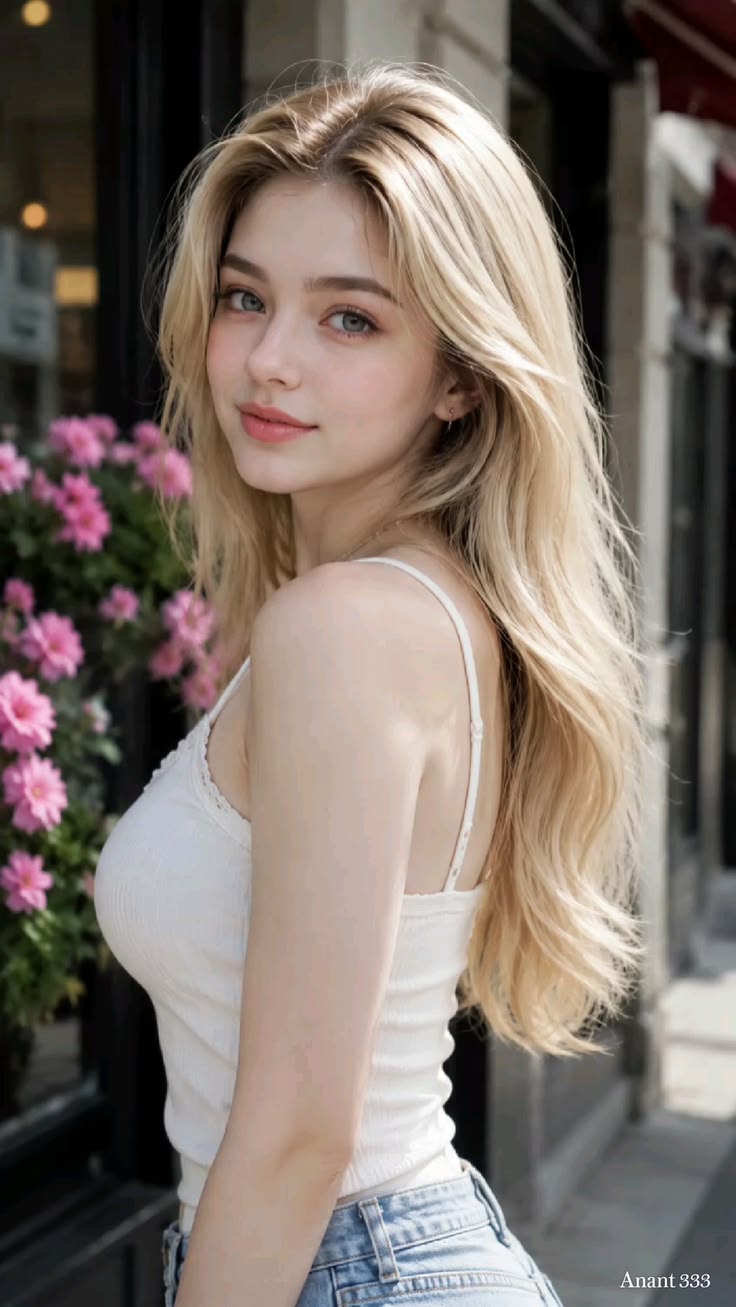
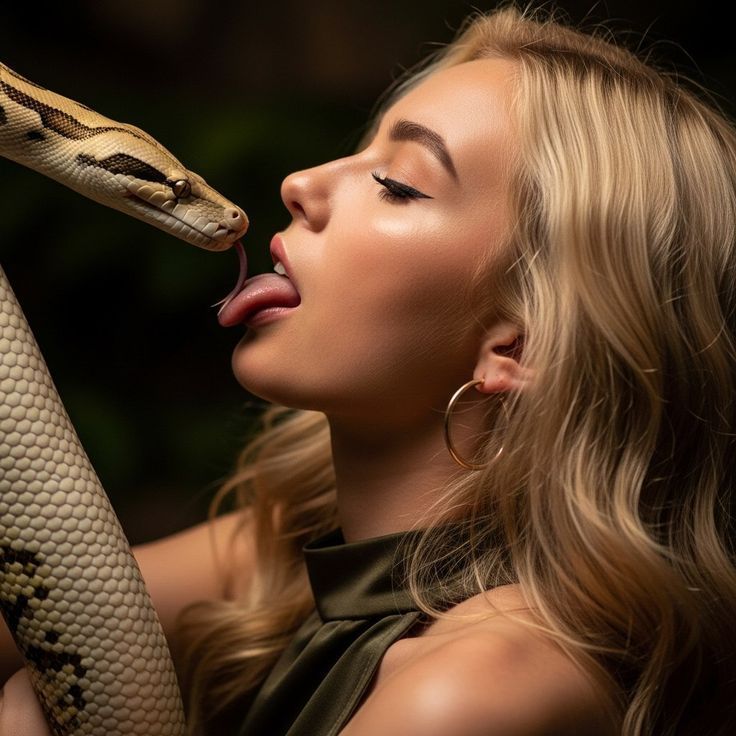
Over the past few years, the convergence of artificial intelligence and multimedia technology has driven groundbreaking innovations. Among the most influential innovations is Muah AI’s image to video technology, which facilitates seamless conversion of static images into dynamic videos. Muah AI technology empowers users to transform simple pictures into engaging video content with ease. This innovative system simplifies crafting compelling visual narratives starting purely from images.
Grasping how Muah AI functions offers a glimpse into next-generation visual content creation. In this comprehensive guide describe how Muah AI operates, its applications, benefits, and its impact on industries like marketing, entertainment, and education. We will break down the core technology, highlight real-world use cases, and discuss why Muah AI is recognized as one of the most platforms in the AI creative space.

The Basics of Muah AI Image to Video Conversion
This innovation heralds a significant shift in multimedia capabilities thanks to AI.
The process behind Muah AI involves the integration of several key AI techniques, such as image recognition, object tracking, temporal prediction, and motion synthesis.
Muah AI supports a wide variety of image types and styles, making it versatile across different user needs and creative fields.
Muah AI Image to Video: Features and Capabilities
Its standout capabilities include:
- This feature ensures fluid and natural video outputs.
- Style Transfer and Effects: Users can apply various artistic styles and post-processing effects to enhance the final video.
- Customization options remain plentiful for power users.
- Compatibility with common standards is assured.
- Even complex animations generate in minutes rather than hours.
From marketers to educators and hobbyists, the platform meets diverse creative requirements.
Practical Applications of Muah AI Image to Video Technology
Some prominent applications include:
- Dynamic visuals increase engagement and conversion rates.
- Social Media Content Creation: Influencers and content creators enhance posts by turning photos into short videos.
- Entertainment Industry: Film and game developers prototype scenes or generate background animations.
- Static diagrams and charts gain motion for better comprehension.
- Animated visuals boost consumer interest and dwell time on websites.
From casual users aiming for fun animations to professionals seeking high-grade video outputs, Muah AI serves a broad user base.
Understanding the Workflow of Muah AI Image to Video
The process involves several sequential stages that convert static pixels into moving images.
- Image Analysis: The AI first analyzes the input image, identifying key elements, edges, and context.
- It evaluates how parts might shift or morph over time.
- Frame Generation: The system synthesizes intermediate frames between the original positions and predicted targets.
- Post-Processing: Optional filters, style transfers, and effects are applied to enhance visuals.
- Exporting: The finished video is encoded to popular formats compatible with various platforms.
The combination of computer vision, generative adversarial networks (GANs), and recurrent networks enables dynamic, believable animations.
Why Muah AI Stands Out in AI-driven Video Creation
Using Muah AI for image to video conversion offers several significant benefits, especially when compared to traditional methods.
- Speed and Efficiency: Automated AI processing dramatically cuts production time.
- Cost Reduction: Less dependence on manual labor and complex software reduces expenses.
- Creative Flexibility: Users gain extensive options to customize animation style, speed, and effects.
- No expert animators needed.
- Suitable for enterprise-level projects and personal use alike.
Businesses and individuals adopting Muah AI are well-positioned to thrive in the digital content landscape.
Challenges and Considerations with Muah AI Image to Video
It’s important to recognize these considerations:
- Quality Variance: The quality of generated videos can vary based on image complexity and content.
- Computational Resources: Running sophisticated AI models requires considerable hardware power, especially for high-resolution videos.
- Fine-tuning and manual adjustments may still be necessary for advanced projects.
- Responsible use and transparency are critical.
Educational resources and community support further assist users in maximizing platform benefits.
Emerging Trends in Image to Video AI Technology
The future of Muah AI image to video is bright, fueled by rapid advancements in artificial intelligence and multimedia technology.
- Better handling of lighting, shadows, and textures is anticipated.
- Users will enjoy more artistic freedom directly through AI.
- Integration with Augmented and Virtual Reality: Image to video AI will combine with AR/VR experiences, producing immersive media.
- Faster Processing and Edge Computing: Technology improvements will reduce latency and enable offline applications.
- Ethical and AI Governance: New standards and frameworks will guide responsible AI use in media.
These developments promise to make Muah AI even more powerful and relevant.
Its combination of AI sophistication, usability, and flexibility appeals across industries and experience levels.
Using Muah AI to transform images into videos is transformative in content creation. The accessibility afforded by Muah AI https://www.muah-ai.me/ empowers novice users and experts alike.
The ongoing enhancement of this technology ensures it remains at the forefront of AI video innovations.
Despite inherent challenges such as input dependencies, computational needs, and creative limits, Muah AI continues to evolve with user feedback and AI progress.
With its accessible yet advanced platform, Muah AI continues shaping the evolving landscape of digital content creation.
As the world increasingly values visual content, such innovative tools are essential.